
Four-Year Terms: Agreed, Obvious, and Still Not Done
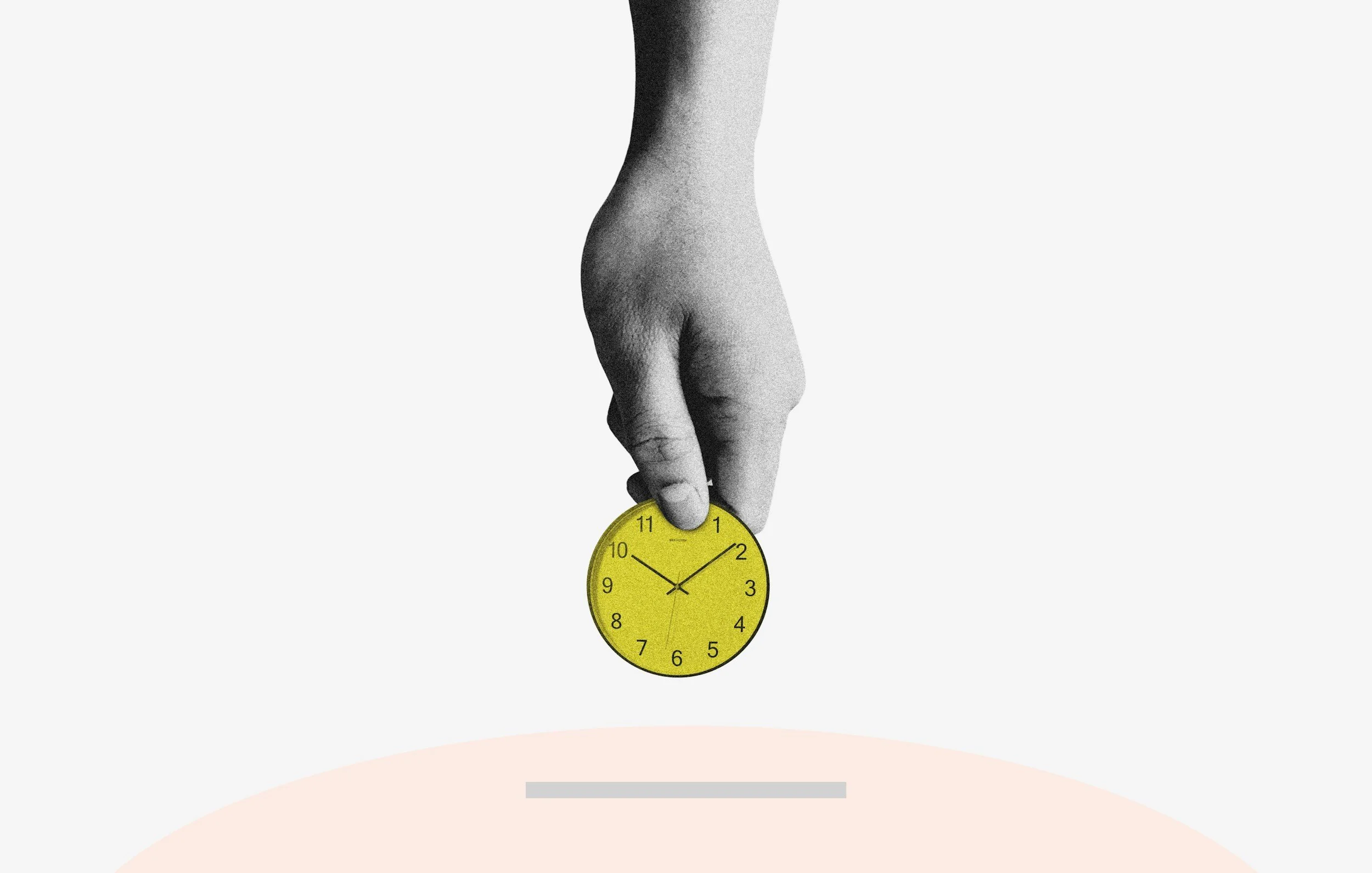
There are very few policy reforms in Australia that have near-universal agreement and still go nowhere. Fixed four-year federal terms sit firmly in that category.
By Tanck and Baker & York
This is not a fringe idea. Every state and territory already operates on four-year cycles. Most comparable democracies do the same. At the federal level, we continue to run on three.
As Marty Gray stated on The Pub Test (Podcast), presented by Tanck and Baker & York, the issue is not just the length of the term, but what that structure allows governments to do. His experience across public service, political offices, and the private sector points to a consistent problem: the current system constrains delivery.
“Three years might sound like a long time, but you’ve only got around a year or a year and a half to actually execute and deliver things.”
In practice, governments spend the early phase setting direction, managing machinery (that is, the structure and systems of government), and navigating approvals. By the time they move into delivery, the electoral clock is already dominating decision-making. Campaigning starts early. Risk appetite drops. Reform slows.
This is not about individual politicians. It is structural.
“When you have the world’s shortest election cycle, it inherently requires politicians to be really short-term focused.”
The system rewards short-term wins over long-term outcomes. Policy becomes reactive. Governments prioritise what can be announced, not what can be delivered. Overlay that with the Prime Minister’s ability to call an election at a time of their choosing - the imbalance becomes more pronounced.
“The Prime Minister of the day can effectively call an election whenever they want… letting a politician decide the election day inherently results in political interference.” says Marty Gray.
From a Tanck perspective, this is not abstract. It is the operating environment we navigate every day with clients.
Three-year cycles compress everything and force organisations into artificial urgency, often at the expense of strategy. We regularly see strong policy ideas weakened because they are shaped to fit a political window, rather than a delivery pathway. Governments become harder to move as elections approach, even where there is alignment on the substance.
It also distorts how organisations approach government engagement. Instead of building long-term relationships and sequencing reform, many default to short bursts of activity tied to announcements, budgets, or electoral moments. That is not how durable policy change happens.
The most effective work we see and deliver is built around longer arcs. It requires time to align stakeholders, test ideas, build political cover, and move from concept to implementation. A four-year fixed term does not guarantee this, but it creates the conditions for it to occur more consistently.
It also improves accountability. With a clearer runway, governments can be judged on what they actually deliver, not just what they promise. That shift matters for clients who are serious about outcomes, not just visibility.
Four-year fixed terms would not entrench governments. They would create the conditions for them to deliver.
